
Think you need a sunny garden to grow thriving plants? Think again. Indoor gardening has taken root in city apartments, small homes, and shaded spaces everywhere — and the secret behind this green revolution is grow lights. These clever tools mimic natural sunlight, allowing herbs, vegetables, and houseplants to flourish no matter the season or setting. Whether you’re a curious beginner or a plant lover looking to level up your indoor setup, this guide will walk you through everything you need to know to grow vibrant, healthy plants using the power of light.
Understanding Grow Lights
Let’s talk about the different grow lights out there: LED, fluorescent, and HID. The whole world of growing tech has unique perks for indoor plant lovers. These smart designs nail temperature control and light precision, which helps prevent heat problems.
Fluorescent lights like T5 and T8 won’t break the bank and work great for your lettuce, herbs, and baby plants. HID setups, including metal halide and high-pressure sodium versions, pack serious brightness, which is perfect for helping your flowers bloom and fruits develop.
Getting how light works matters big time for plant success. Each colour does something different for plants.
Blues (400-500 nanometers) kick-start leaf growth. This creates just what seedlings and leafy plants need. Meanwhile, reds (600-700 nanometers) trigger flowering and fruiting—a totally different job.
Today’s growing lights offer ranges that match sunshine pretty well, helping plants thrive indoors. The tech keeps improving, making home cultivation easier than ever.
Selecting the Right Light for Your Space and Plants
The selection of appropriate illumination depends critically on botanical specimens and spatial parameters.
For constrained environments or sensitive greenery, LED technologies offer optimal energy conservation and minimal thermal emission.
If you are working with a limited budget or a small area, fluorescent solutions will be a more appropriate choice.
On the flip side, HID systems show great effectiveness in large spaces that call for considerable intensity. This is especially true during the reproduction phase.
The classification of botanical species also influences illumination requirements. Plants from tropical places usually need stronger light than those that naturally grow in shady spots.
Succulents and cacti require lots of bright, direct light, but ferns and orchids do better with softer, scattered light.
Most plant troubles come from mismatched lighting. That’s why knowing exactly what’s growing in your collection matters so much for success. You should categorise each species by its specific requirements to design a tailored strategy.
Wattage, Energy Efficiency, and Product Reviews
Understanding wattage and power efficiency helps reduce expenses. Seek fixtures with high lumens per watt to be energy-conscious.
Examining product reviews assists in finding options that meet your specific requirements. They can demonstrate the reliability and effectiveness of equipment, ensuring a wise selection for your indoor garden.
Picking the Right Grow Light
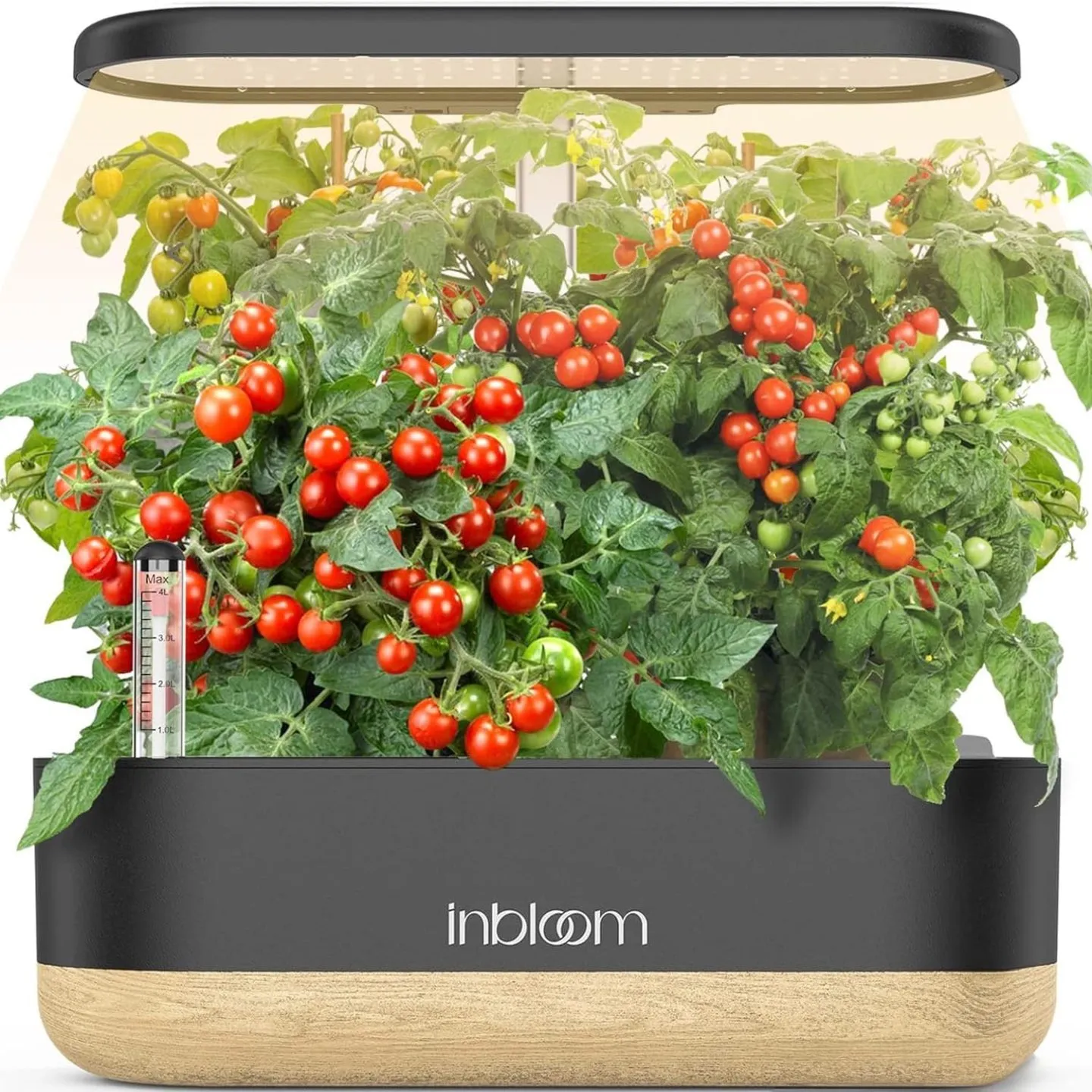
Image: inbloom Hydroponics
Choosing proper lights for indoor plants can make or break your success. Some plants need stronger light to bloom well, while leafy greens grow just fine with gentler illumination.
Pay attention to how long the lights stay on. Most plants handle 12-16 hours of daily light pretty well, but this varies according to what you’re growing.
Tomatoes and peppers love bright, focused light. They soak up intense brightness to produce fruit. Herbs like basil and cilantro are less demanding and do great under simple fluorescent lights, which you can move around.
The trick is matching the right light to what you’re trying to grow. Get this part right, and your indoor garden will thank you.
Setting Up Your Indoor Garden
Finding the perfect spot for your indoor garden matters more than you think. Pick a place with enough space and decent air movement. Make sure the warmth and moisture levels work for your plant family.
When you arrange your collection, put the tall plants toward the back or sides, so the shorter ones up front can catch enough light.
Location can truly make or break your indoor garden. A cramped corner with stagnant air spells trouble, while the right environment helps plants flourish.
Smart arrangement creates a mini-ecosystem where each plant gets its fair share of light without blocking neighbours. This thoughtful setup pays off in healthier, happier plants throughout your indoor garden.
Installing Your Grow Lights
Proper installation is essential for healthy vegetation. Keep the LED systems approximately 12 to 24 centimetres above the cultivars, and position fluorescent devices slightly closer to your greenery.
As they grow, be sure to adjust fixture heights to ensure appropriate illumination.
Improve light distribution by using reflective materials like Mylar or positioning the fixtures near white walls. This approach helps spread brightness more evenly, ensuring all specimens receive sufficient exposure.
Maximising Energy Efficiency
Utilise horticultural lamps strategically to reduce electricity expenses. LED options work really well, using about 75% less electricity than old-style incandescent lights and lasting 25 times as long.
Don’t forget to set up timers to control light periods automatically, giving plants perfect growing conditions without wasting power.
Think about using smart power strips that get rid of sneaky power drainage when devices are off.
Newer plant lighting systems now connect wirelessly, letting you check and adjust them from your phone. These tech upgrades help enthusiasts monitor energy use, change light timing, and get updates on how everything’s performing.
Maintaining Your Indoor Garden
Establish a simple routine for indoor garden care. Water botanical specimens only when the soil surface feels dry to prevent root drowning.
Apply fertiliser periodically to maintain nutrient levels. You should also remove dead or unhealthy foliage to promote vitality.
Plant management extends beyond basic care. Implement a comprehensive tracking system, documenting growth rates, exposure levels, and nutritional intake.
Seasonal adjustments are crucial, as plant requirements fluctuate with changing environmental conditions.
Think about keeping a thorough diary of what you notice. It’ll help improve your indoor growing methods over time.
For complicated setups or tricky environments, using gardening professionals can offer major benefits.
These specialists offer expert diagnostics, customised care recommendations, and advanced troubleshooting for intricate vegetation challenges.
Their technical expertise can help optimise growth circumstances and diagnose potential health issues. They can also help develop sophisticated strategies tailored to specific goals.
Common Mistakes to Avoid
When growing plants indoors with grow lights, watch for lighting problems. Too much brightness hurts leaves, while too little light makes weak plants. Check and tweak light strength and timing regularly.
Make sure the air moves freely to stop mould and bugs. Try using a fan or cracking windows for fresh air flow. Don’t skip basic plant care like watering, trimming, and feeding. Lastly, look up what each plant type needs to create ideal growing conditions.
Conclusion
Indoor gardening with grow lights brings joy and satisfaction, allowing year-round plant growth. Understanding each plant’s unique requirements and choosing suitable fixtures is essential for optimal development.
Establish a functional setup and adhere to a consistent maintenance schedule to support healthy plant development. Experiment with different varieties and configurations to determine the most successful combination for your living environment.
Through knowledge and persistent effort, anyone can enjoy indoor gardening and create a peaceful haven.
Leave a Reply